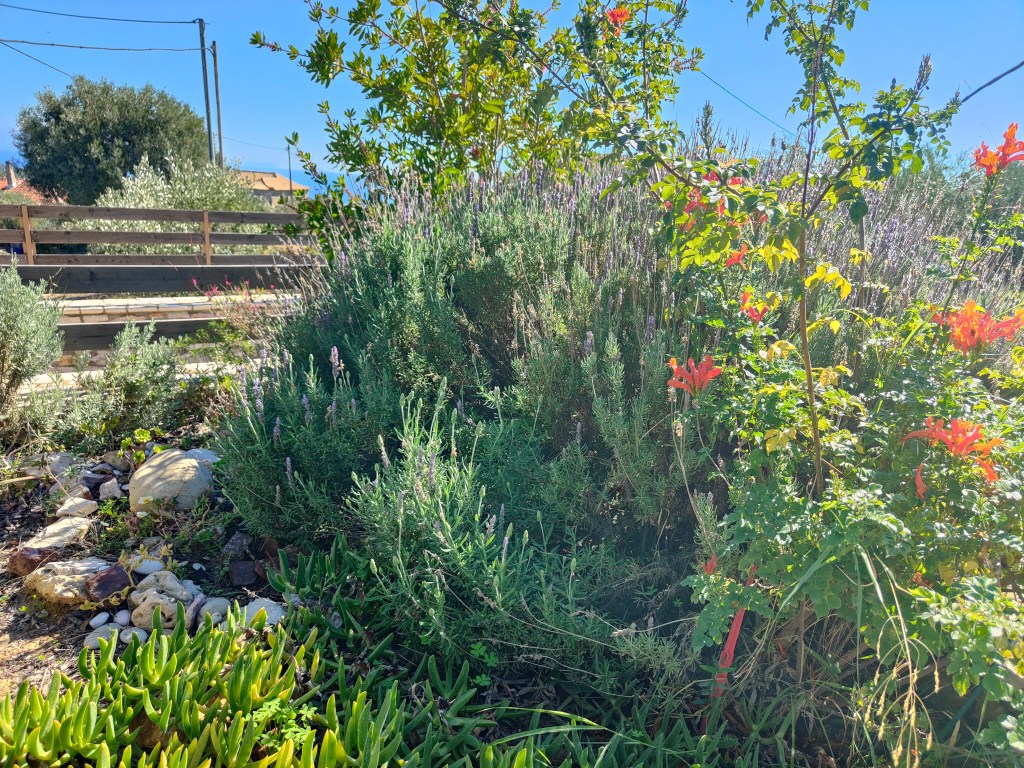
Last Wednesday we arrived in Papara, a hamlet on a hill just above Koroni, Messinia. We rent a house there all year round from a Greek couple. He is a carpenter and olive farmer, she is a nursery school teacher.
The garden is small, but the land around the house is several acres (not quite sure how many), and full of olive trees, interspersed with a few lemon and orange trees. Right down at the bottom is a pomegranate tree.
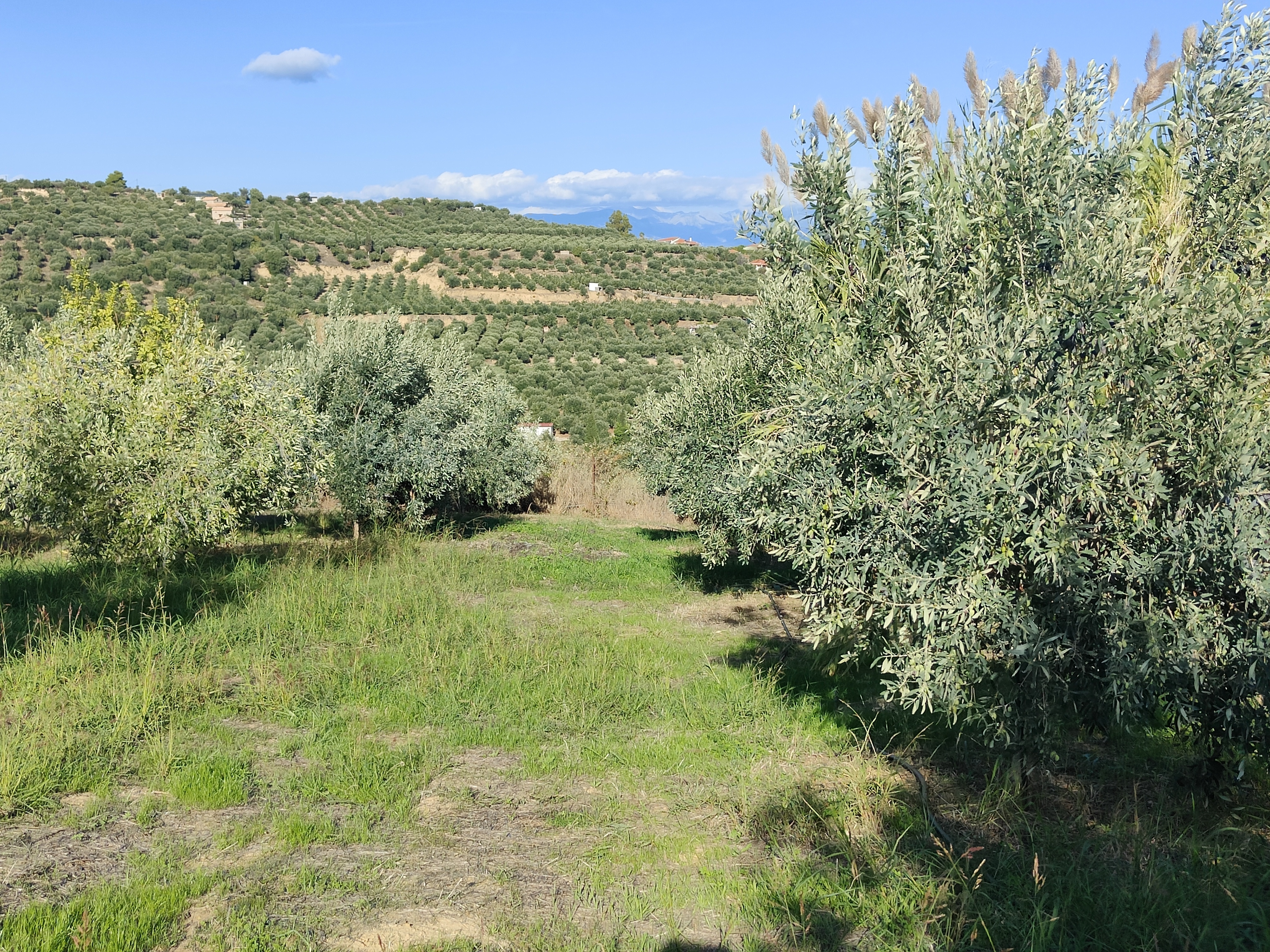
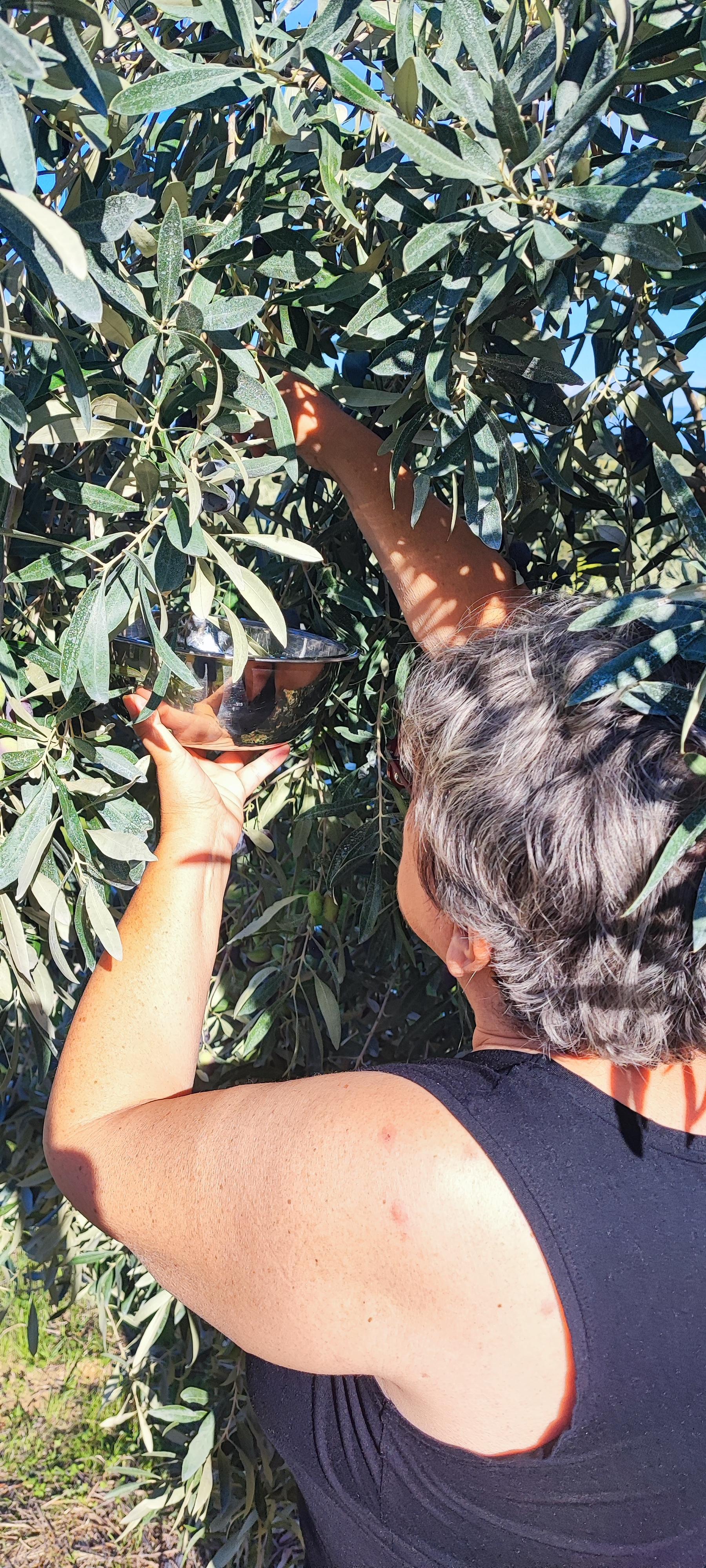
The olives are ready for harvesting. We’ve started with harvesting the table olives already. This year, our farmer has given us the crop and some oil in exchange for help with the harvest.
But back to the garden.
It is always a great relief to return after the long, hot, and very dry summer to find that the automatic watering system has worked and the plants have survived. A neighbour checks it every now and again. The garden has not just survived, it has grown.
Just before we arrived the first rains fell and many flowers have begun to bloom. Autumn here is like Spring in Berlin. Everything begins to come to life again.
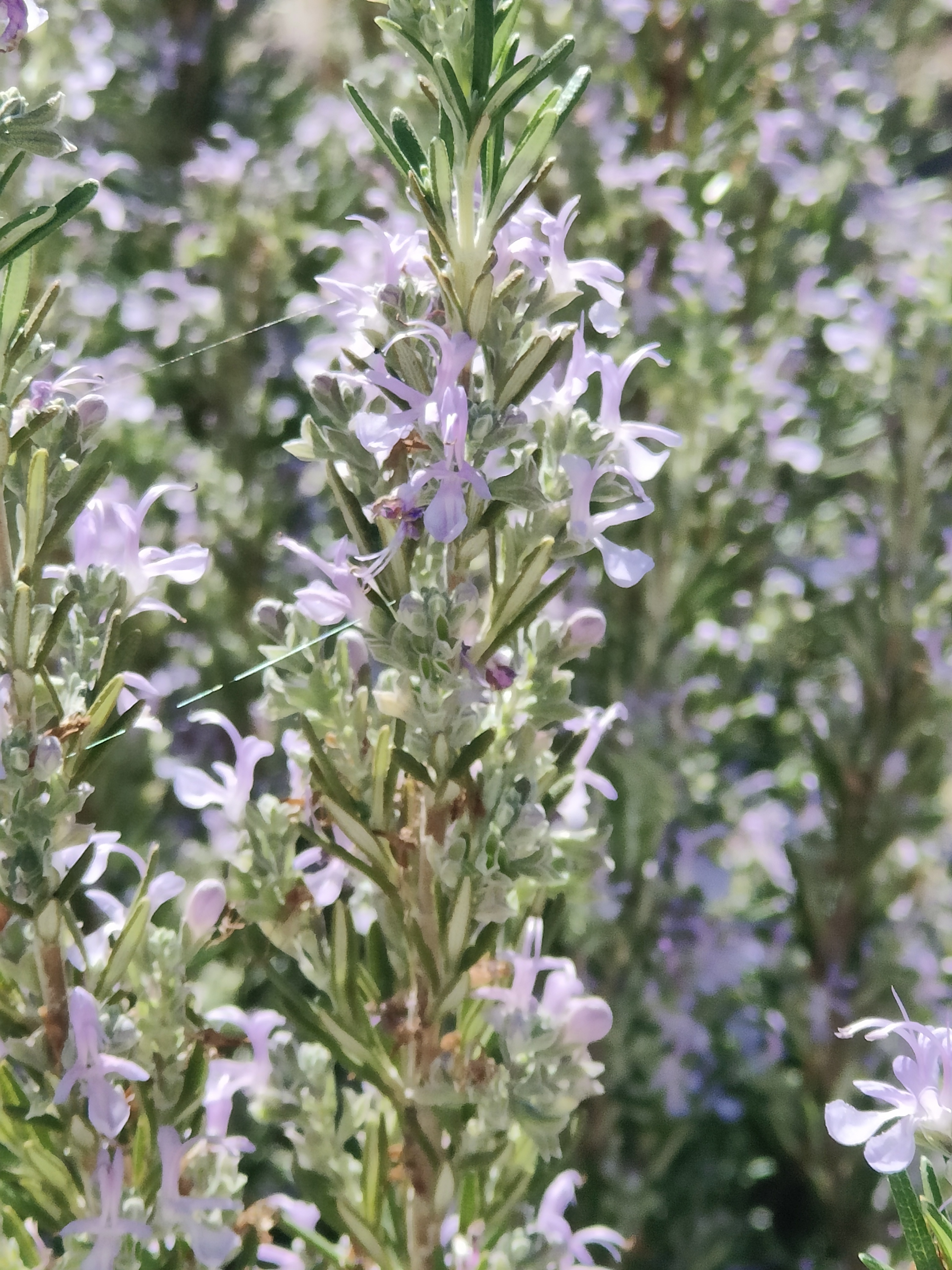
The top of the garden is where I grow the herbs. The rosemary is in full bloom and buzzing with little pale bees. I cut the oregano back before I left in Spring and took the harvest to Berlin where I dried it and then rubbed the leaves off the stems. One harvest produces several large jars.
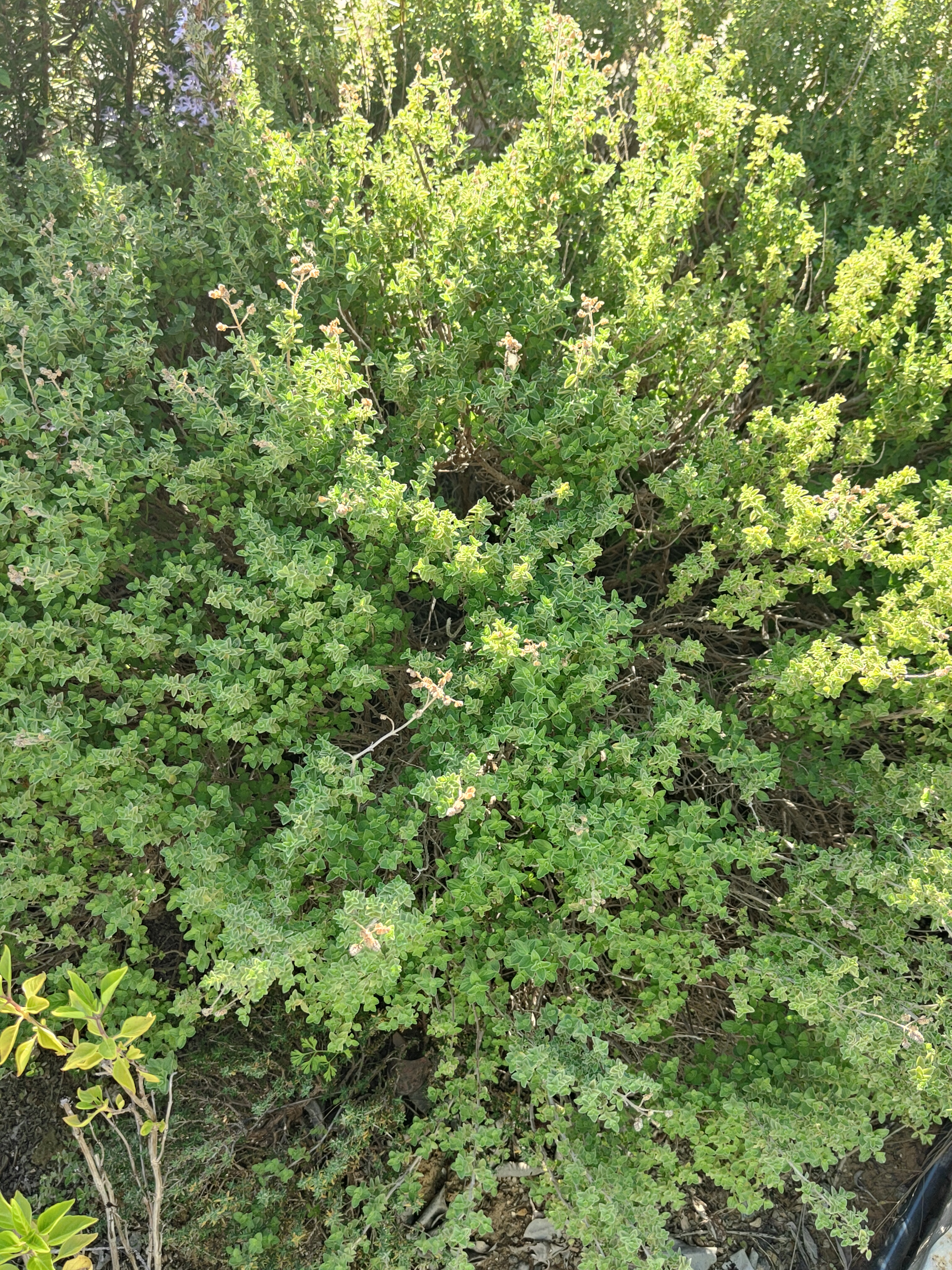
The sage had got long and stalky, so I’ve cut it back. I have a couple of basil plants in between, as well as thyme, mint, and some parsley that isn’t doing too well.
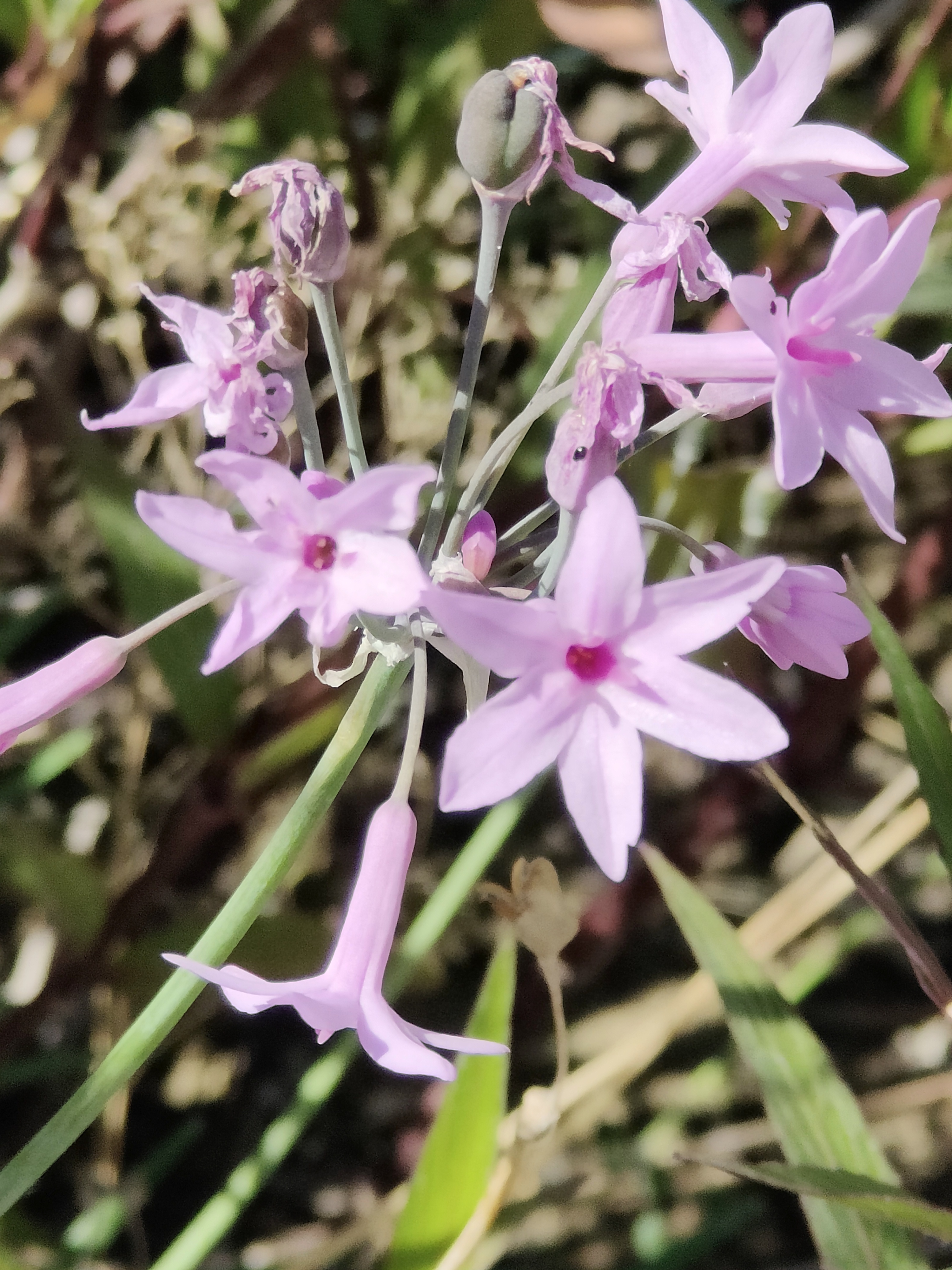
These lovely little star-shaped pink flowers belong to several society garlic plants that a friend gave me. This flowers a long time and is very drought-resistant. They like full sun, so the perfect Mediterranean plant.
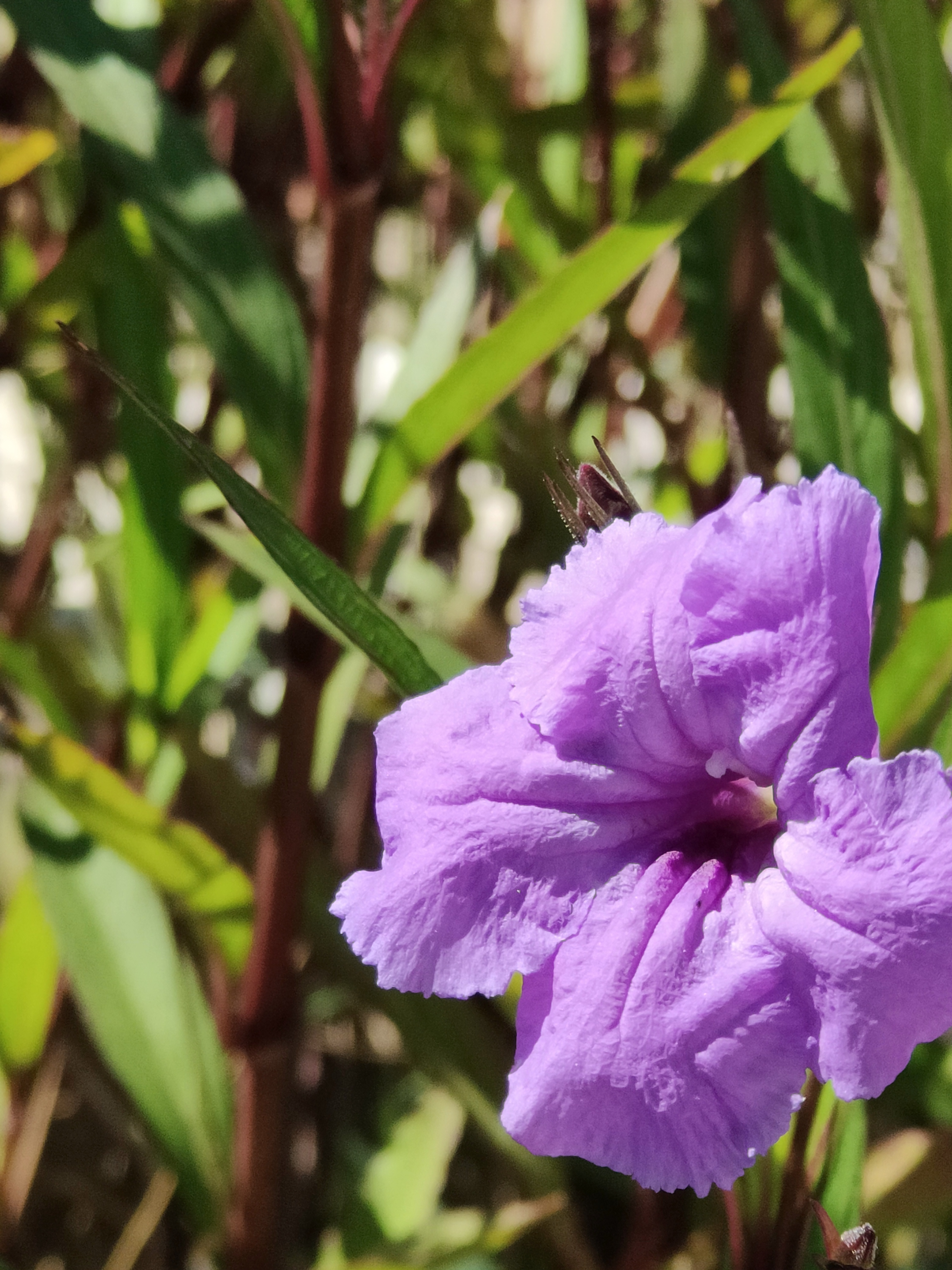
Next to the society garlic is the wild petunia. This is invasive and is trying to take over the whole garden, sending out very long and deep roots, popping up everywhere it shouldn’t. Much as I love it’s purple flowers, I may have to take it out and put it elsewhere on the land where it can run wild. On the other hand, maybe I should get rid of it altogether as it is non-native and invasive.
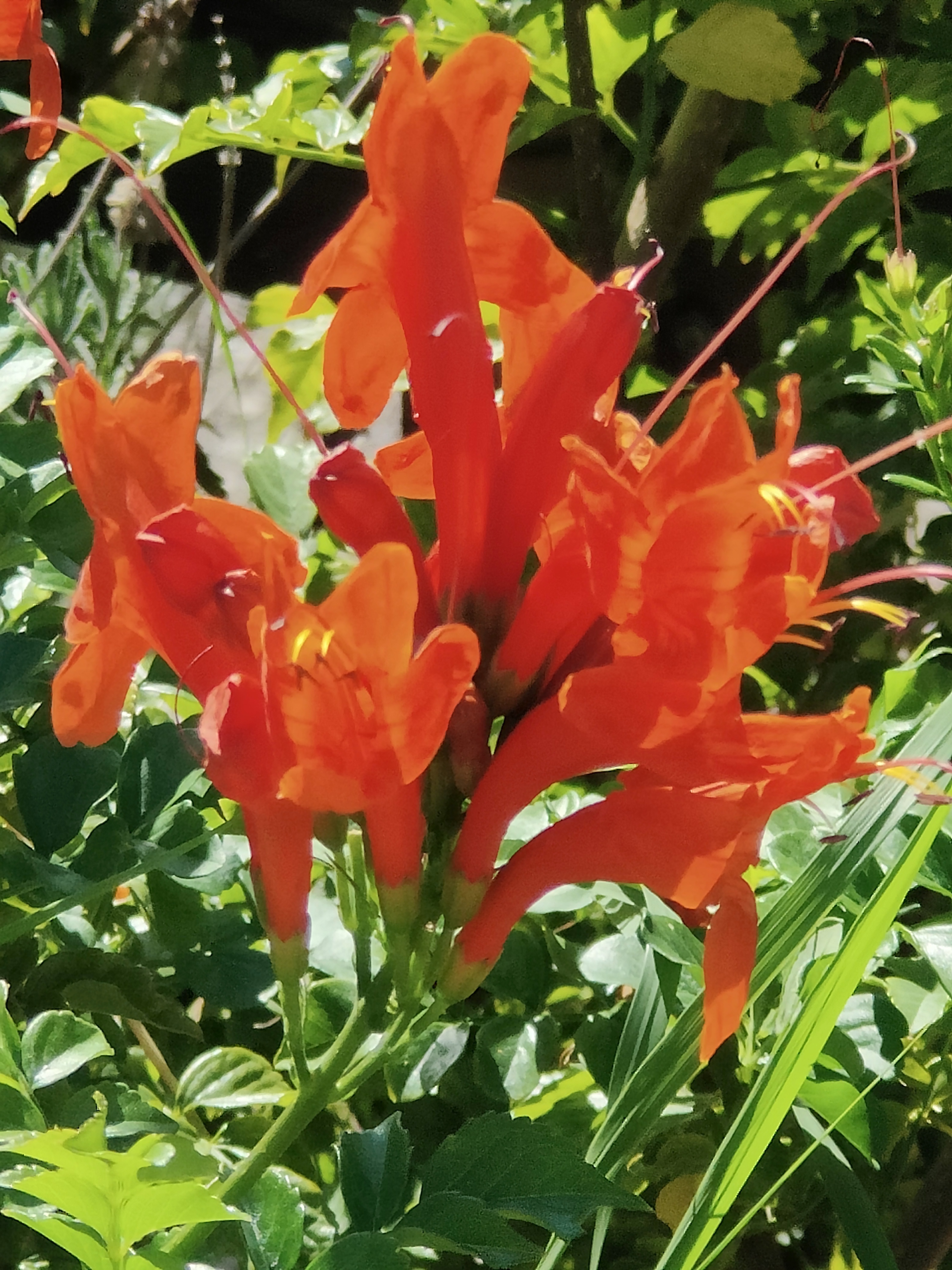
Also non-native, but great for covering fences and pergolas is the Cape honeysuckle. Despite its name it is not related to the honeysuckle. It can grow up to 4 metres, but I keep it fairly well trimmed or it gets stringy.
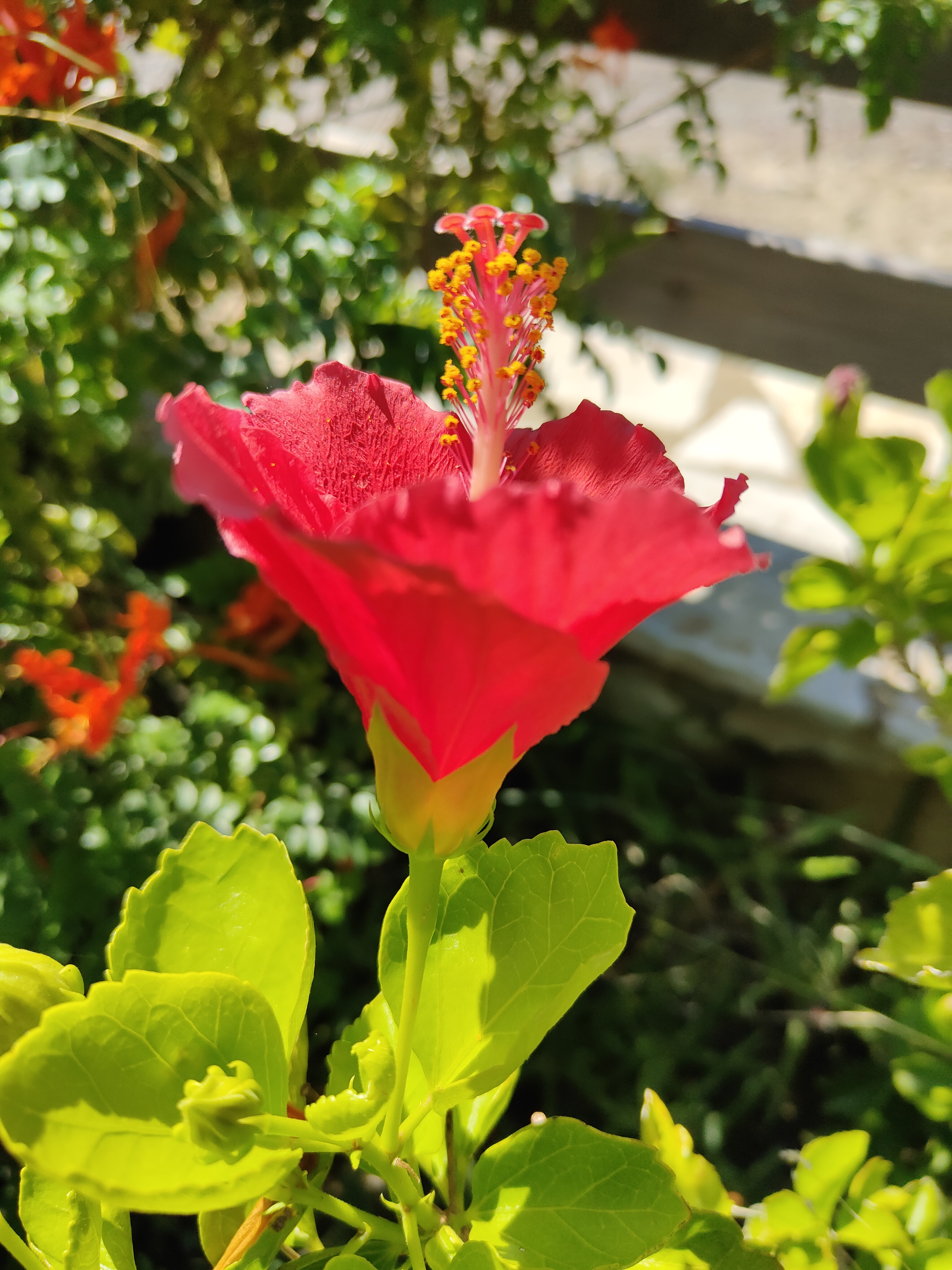
I had three hibiscus plants, but the orange one didn’t make it through the summer. Actually, in Spring it was already on its way out. The blue one is not flowering at theoment, but the red one has lots of buds and blooms.
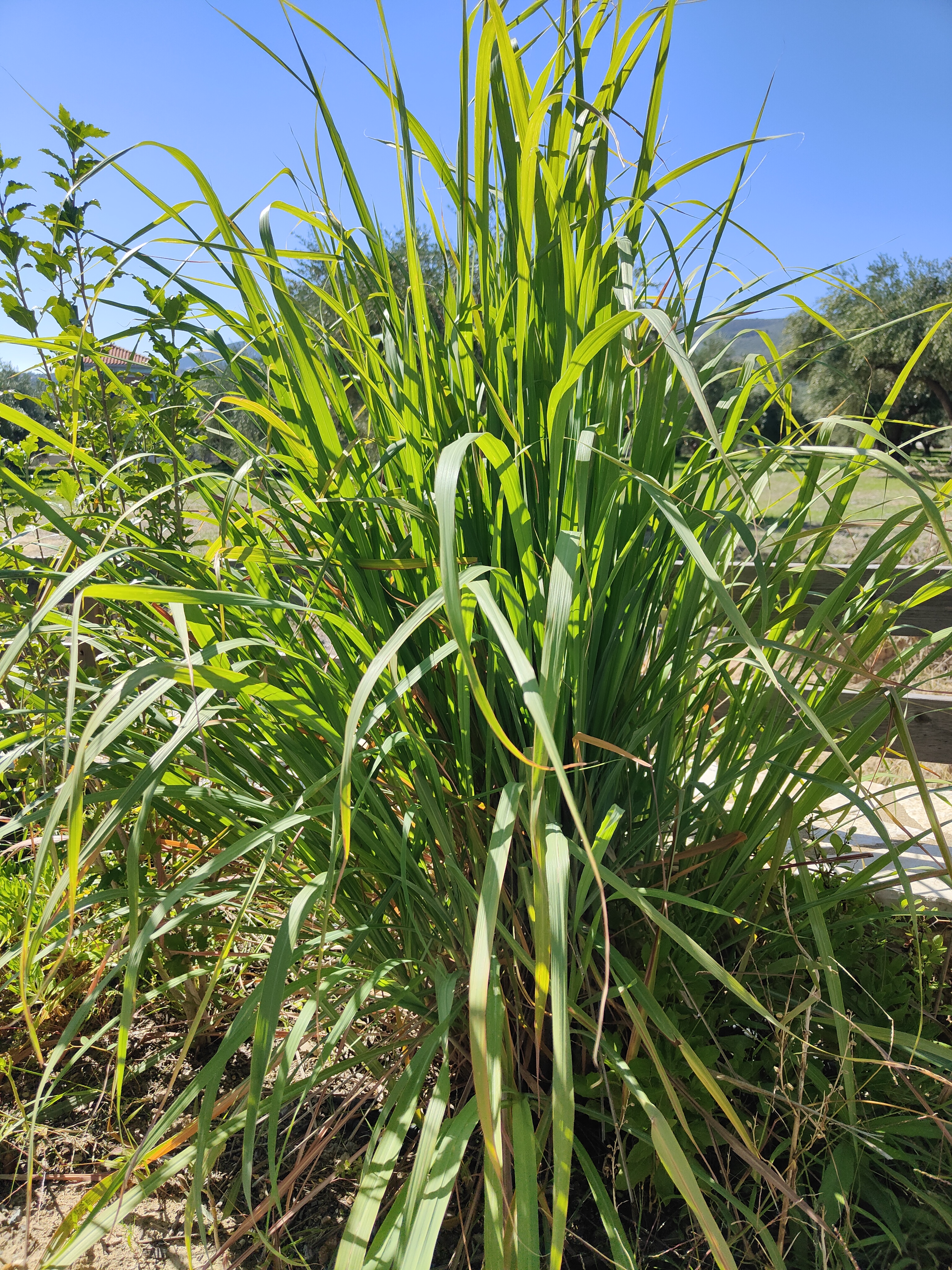
The lemon grass that I got from my sister-in-law is now as big as I am (just over 1.5 metres). There are several types and I suspect this one is citronella, that is used to make the scent for candles that repel mosquitoes. So a good plant for a garden you like to sit in of an evening.
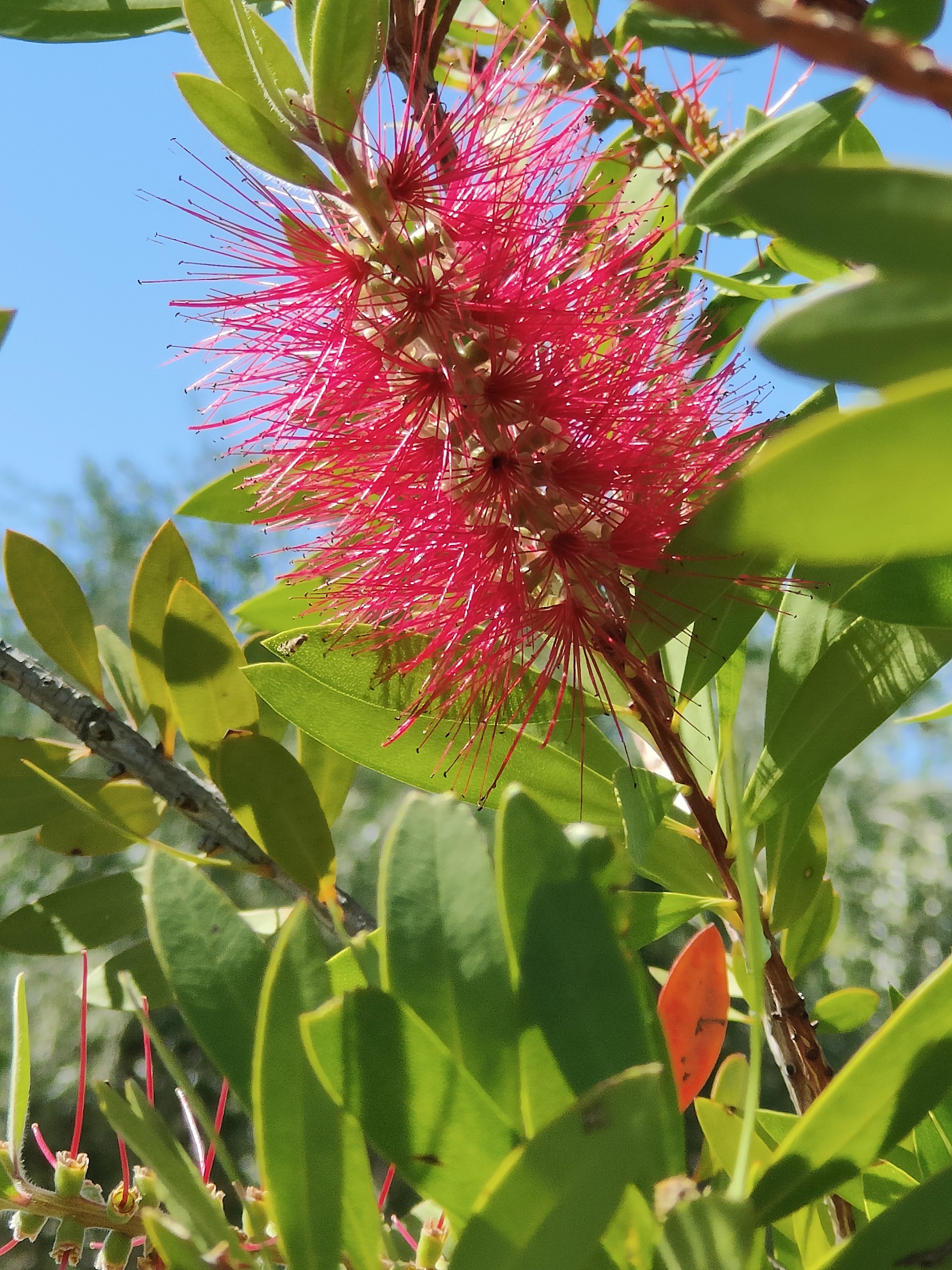
We planted the bottlebrush when we first moved in about three and a half years ago. It is now about two metres high, but I cut it back regularly so it doesn’t get too big. Also non-native, the bottlebrush is from Australia. We love it’s quirky looking flowers that look like – well, bottle brushes!
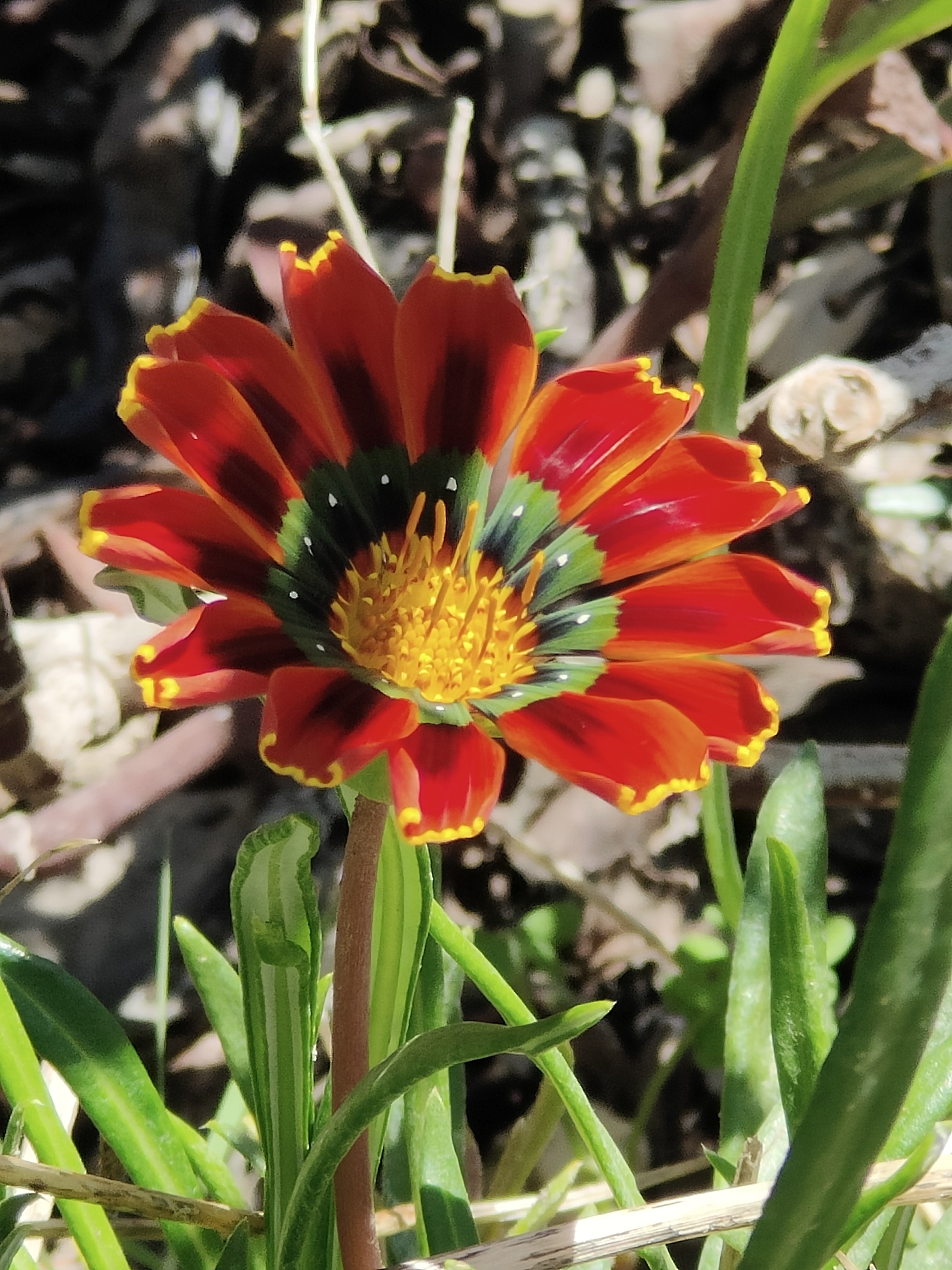
This vibrant daisy-like flower is a gazania. I found it growing next to a swimming pool in a lost place we discovered near Kalamata. It took well to being transplanted.
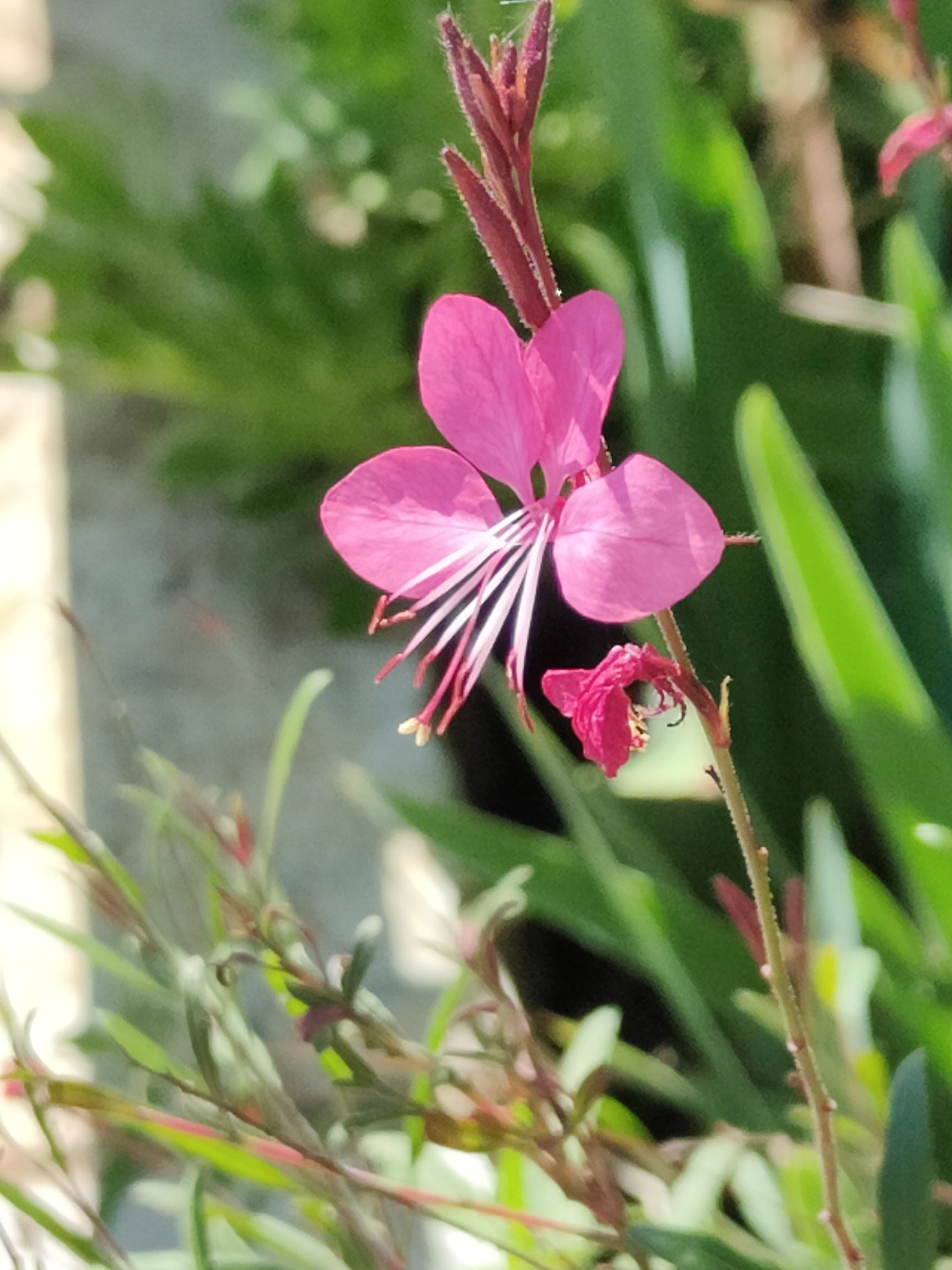
This small pink flower is one of many on the beautiful Gaura, or wand flower. I have tried several times to grow this in the Berlin garden without success, but here it does well.
Of course, that is just a selection of what this little garden hosts. The most dominant resident is the carob tree which affords shade for those plants who do not like full sun all of the time. It is also flowering.
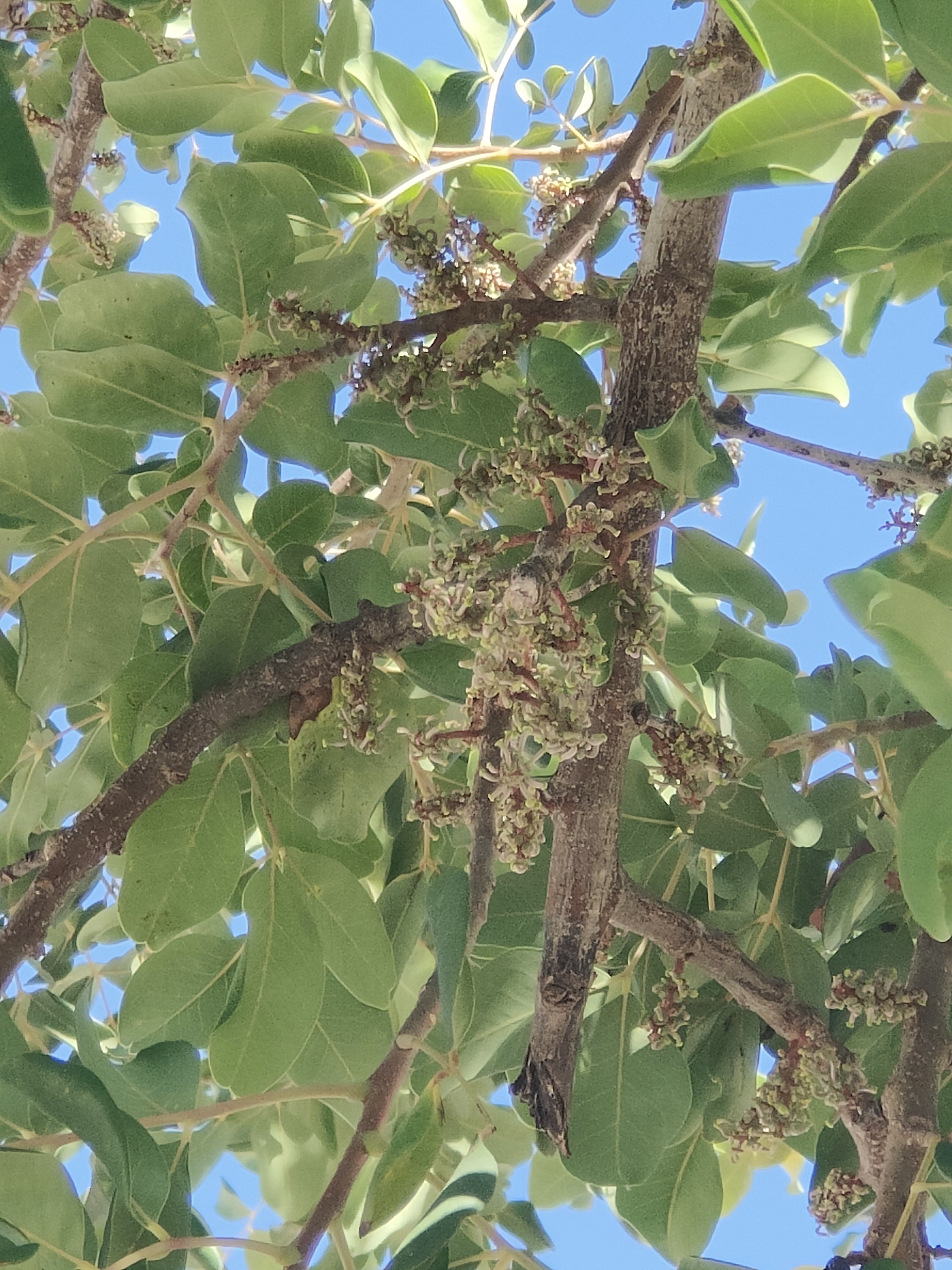
The blossoming flowers grow directly out of the branches, even sometimes from the tree trunk and don’t really look like flowers. Apparently they smell like male semen, although I can’t say I noticed that.
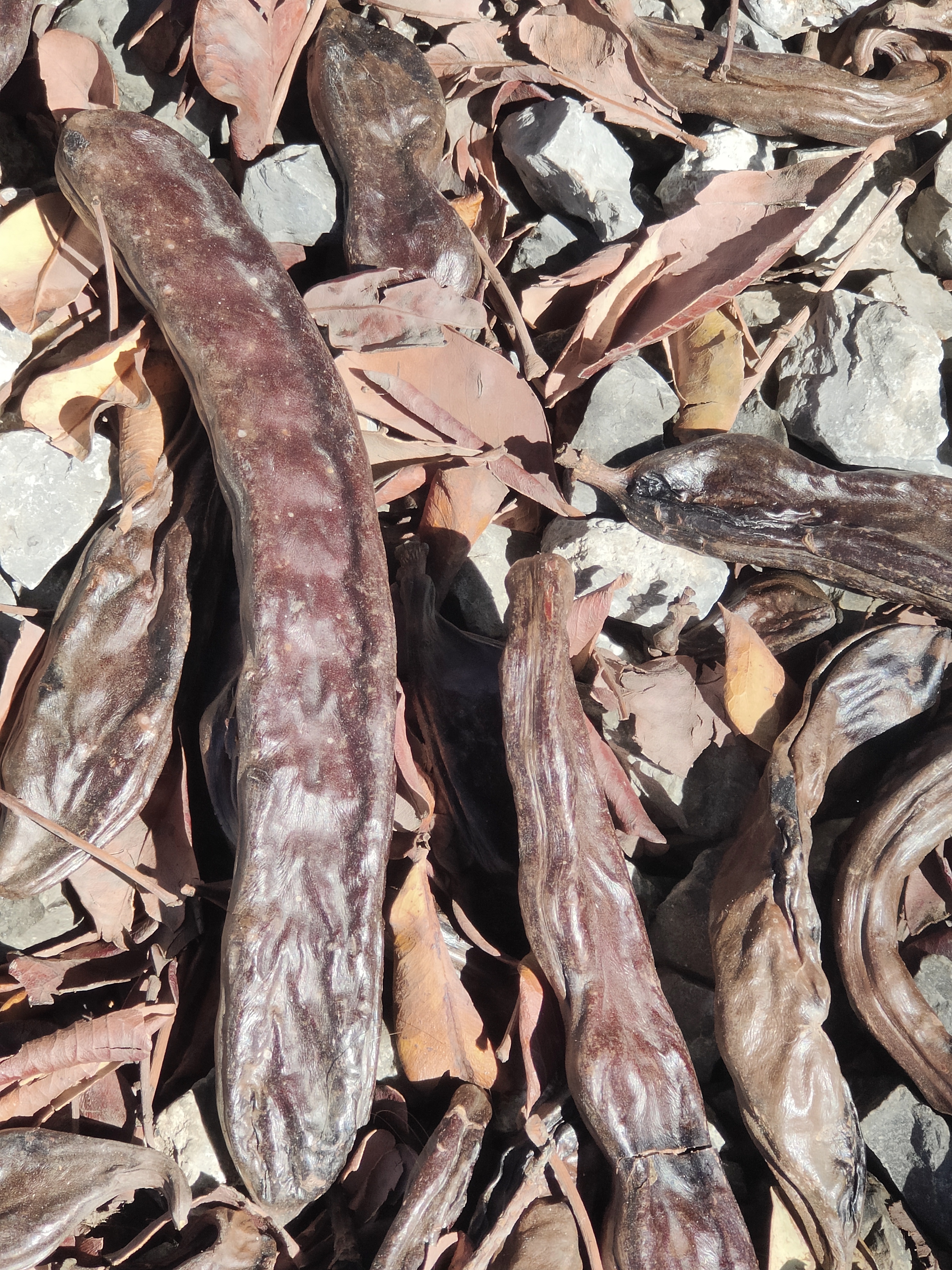
The tree has already lost its seed pods which are all over the garden, making a lot of work to remove them before they turn into baby trees. You can — with a lot of time and effort — make them into carob powder, a kind of chocolate substitute. I tried it once but you need an industrial mill to grind them. So we collect them and put them in sacks to give to a friend who has a large turbo-composter.
I love this time of year in the Greek garden. In the Spring it is so much work because it’s overgrown, although there are many wild delights. But in Autumn it has a lovely ripeness and every rain brings more blooms. Such a wonderful place to just be.


Leave a Reply